
How To Choose The Right Solar Shade Openness Factor
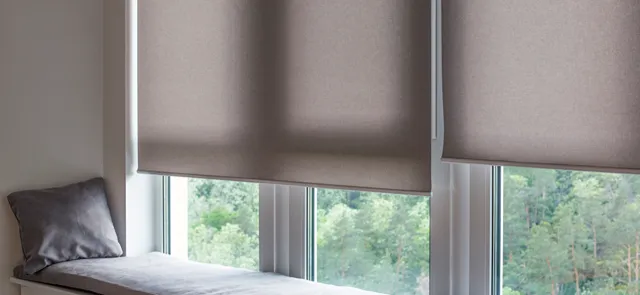
Choosing the right solar shade openness factor can significantly affect how comfortable, bright, and energy-efficient a Las Vegas home feels year-round. Solar shades filter sunlight while preserving some of the outdoor view, but different openness levels offer different balances of natural light and heat reduction.
What Solar Shade Openness Factor Actually Means
Solar shade openness refers to the percentage of fabric that lets light and visibility through. A lower percentage creates a tighter weave that generally provides stronger glare and solar control, while a higher percentage lets in more natural light and offers a clearer view through the window.
For example, a window shade with 1 percent openness is much tighter than a 5 percent shade. The best option depends on the window’s direction, room function, and how much sunlight enters the space.
Understanding Solar Shade Percentages
Solar shade percentages are often available in several openness levels, commonly ranging from approximately 1 percent to 10 percent. These percentages should not be viewed simply as a scale where higher is always better or lower is always better. Each level creates a different balance between daylight and solar heat control.
- 1 Percent Openness: Strong solar and glare control with a more filtered view.
- 3 Percent Openness: A balanced choice for visibility, natural light, and sun protection.
- 5 Percent Openness: Greater daylight and outdoor visibility with less filtering.
- 10 Percent Openness: Maximum openness and visibility with comparatively less solar filtering.
How Openness Affects Indoor Heat
Las Vegas receives intense sunlight for much of the year. Tighter solar shade fabric reduces the solar energy entering a room and limits the heat that reaches furniture and floors.
Solar shades do not eliminate heat gain entirely, because performance also depends on the window glass, shade color, exterior conditions, and installation. However, choosing an appropriate openness factor can create a more comfortable room and reduce the air conditioning load.
Reducing Glare Without Losing Natural Light
Glare can make computer monitors and workspaces difficult to use, particularly when direct sunlight enters a room. Choosing the right solar shade openness factor lets homeowners control harsh brightness without making the room feel dark.
A lower openness percentage may be preferable for rooms with strong direct sun or significant screen glare. A slightly more open fabric may be better when maintaining daylight and a broad outdoor view is a higher priority.
Solar Shade Openness Comparison For Different Rooms
The ideal openness factor can vary from room to room. A home office may require stronger glare management, while a living room may prioritize a clear view and abundant natural light. Bedrooms may also benefit from more privacy, though solar shades aren’t designed to provide complete privacy in every lighting condition.
- Home Offices: Consider lower openness for better control of computer screens and glare.
- Living Rooms: Consider moderate openness to balance view, daylight, and solar protection.
- Bedrooms: Consider lower openness when privacy and light reduction are priorities.
- Large Sun-Facing Windows: Consider tighter fabrics where intense exposure creates substantial heat and glare.
Protecting Furnishings From UV Damage
Ultraviolet exposure can fade and deteriorate fabrics and other interior materials. Solar shades can filter a significant portion of incoming solar radiation, helping reduce the exposure that contributes to UV damage.
For rooms with valuable furnishings or materials particularly sensitive to sunlight, a tighter openness factor can add an extra layer of protection. Homeowners should also consider glass characteristics and other window treatments when protecting interiors from long-term sun exposure.
Balancing Natural Light & Outdoor Visibility
One major advantage of solar shades is that they can reduce harsh sunlight without completely blocking the outdoors. Higher openness fabrics generally preserve more natural light and provide a clearer daytime view, which can make rooms feel brighter and more connected to the surrounding environment.
The tradeoff is that greater openness generally lets more sunlight in. Therefore, evaluate whether the room needs maximum visibility or stronger solar control before choosing a fabric.
Make A Confident Solar Shade Selection
The best solar shade is not necessarily the darkest or most open option. The right choice balances indoor heat, glare, UV damage, natural light, privacy, and outdoor visibility based on each room’s needs. When you are ready to explore solar shades Las Vegas homeowners can rely on, contact Blind Wholesaler. We can help you choose confidently.


